
Modern kitchens look very different from what they used to be. Homeowners now often choose between gas stoves and induction cooktops. Both bring unique benefits and suit different cooking styles and budgets. The right pick depends on how you cook and design your space. A glass cooktop feels sleek and modern, while traditional options bring familiarity and control. Hindwares range of kitchen appliances combines smart design with reliable performance. Their glass top gas stoves and induction models make cooking efficient and stylish. Understanding these differences helps you pick what truly fits your lifestyle and daily kitchen needs.
Understanding How Gas and Induction Cooktops Work
Both gas and induction cooktops have been trusted by home cooks for years, but they operate on completely different principles. Gas cooktops use an open flame to heat your cookware directly, while induction cooktops rely on electromagnetic energy to transfer heat. Let's explore how each technology works to help you understand its unique advantages.
Gas Cooktops – The Traditional Flame Advantage
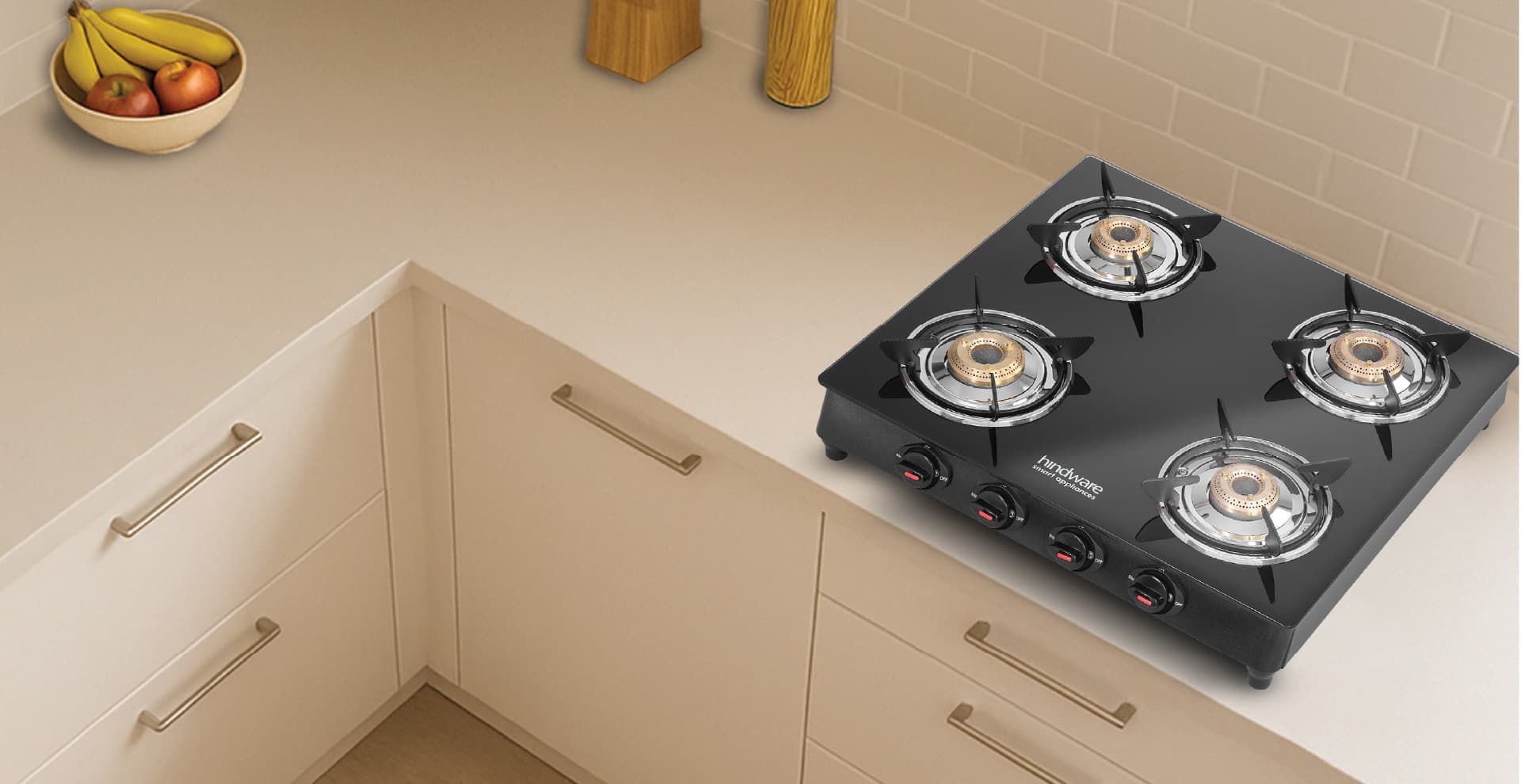
Gas cooktops have remained popular because they offer instant heat control and are compatible with all types of cookware. The open flame allows you to adjust the temperature immediately, making them ideal for high-heat cooking like stir-frying or searing. Professional chefs often prefer gas because the visible flame gives them precise control. Hindware's glass top gas stove brings a modern touch to this traditional method, featuring durable, toughened glass surfaces that combine functionality with elegance. The brass burners ensure efficient heat distribution, and the stainless steel drip trays make cleanup easier.
Induction Cooktops – The Smart, Modern Alternative
Induction cooktops use advanced electromagnetic technology to heat cookware directly, which means the cooktop surface itself remains relatively cool. This technology is highly energy-efficient because it transfers heat directly to the bottom of your cookware rather than heating the entire surface. Hindware's Ciro induction cooktop, for example, features 1400W power with 7 preset cooking functions and a crystal glass surface. The Pluto model offers touch control, an LED display, and a 24-hour timer, making cooking convenient and precise. These induction cooktops are perfect for modern kitchens where safety and efficiency matter.
Comparing Gas vs Induction – Performance at a Glance
To help you decide which cooktop suits your needs, here's a quick comparison of the key differences between gas and induction cooktops:
|
Feature |
Gas Cooktop |
Induction Cooktop |
|
Heating Speed |
Slightly slower, depends on flame size |
Heats instantly with precise control |
|
Cookware Compatibility |
Works with all utensils |
Needs flat-bottomed magnetic cookware |
|
Energy Efficiency |
Moderate, some heat loss |
Highly efficient, minimal heat loss |
|
Maintenance |
Requires regular cleaning |
Easy to clean glass surface |
|
Safety |
Open flame risk |
No open flame, automatic shutoff |
Modern glass cooktops in both gas and induction formats combine style with durability, ensuring your modular kitchen gas stove looks as good as it performs.
Design and Aesthetics – Enhancing Your Modular Kitchen
Today's homeowners want appliances that look as good as they function. Hindware understands this, which is why their cooktops blend performance with stunning design. A modular kitchen gas stove should seamlessly integrate with your kitchen layout, and both gas and induction options can achieve this.
Glass top gas stoves from Hindware feature sleek, durable, toughened glass surfaces that are scratch-resistant and easy to clean. The contemporary look of a glass cooktop instantly upgrades your kitchen's appearance. These gas stoves also come with sturdy cast-iron pan supports that provide stability while cooking. Meanwhile, induction cooktops offer a minimalist design with flat, space-saving surfaces. Models like the Ciro and Pluto come in frameless glass designs that integrate perfectly with modern countertops.
Energy Efficiency and Cost Comparison
When choosing between gas and induction cooktops, consider both the upfront cost and long-term savings. Gas cooktops typically have a lower initial investment but require ongoing LPG fuel expenses. Induction cooktops are slightly more expensive at purchase, but their superior energy efficiency means lower electricity bills over time. Studies show that induction cooktops operate at 90% efficiency compared to 65-70% for gas. This means the higher upfront cost of an induction glass cooktop often pays for itself within 2-3 years through energy savings.
Safety and Maintenance Considerations
Safety should always be a priority when choosing kitchen appliances. Gas cooktops require proper ventilation and regular maintenance of burners and valves. You must ensure the knob is turned off after each use to prevent gas leaks. However, induction cooktops offer superior safety features. They include automatic shutoff functions, child-lock options, and cool-to-touch surfaces that prevent burns. A glass cooktop surface on induction models wipes clean in seconds, eliminating the difficulty of scrubbing around burner heads that's common with gas stoves.
Which One Should You Choose?
Your decision depends on your cooking style and kitchen preferences. Choose a gas cooktop if you prefer traditional cooking, already have LPG connections, or need versatility with different cookware types. Choose an induction cooktop if you want quick, efficient, and safe cooking with minimal maintenance. Hindware offers premium options in both categories—from their elegant glass top gas stoves to their advanced induction cooktops like Ciro and Pluto—ensuring you find the perfect fit for your modular kitchen.
Conclusion
Whether you prefer the timeless charm of an open flame or the smart precision of induction technology, Hindware's range of glass cooktops offers quality and innovation for every kitchen. Both options bring style and performance to your home. Explore Hindware's latest models to discover a cooktop that matches your cooking needs and complements your kitchen design perfectly.


